
Order Code
4003
Preferred Specimen
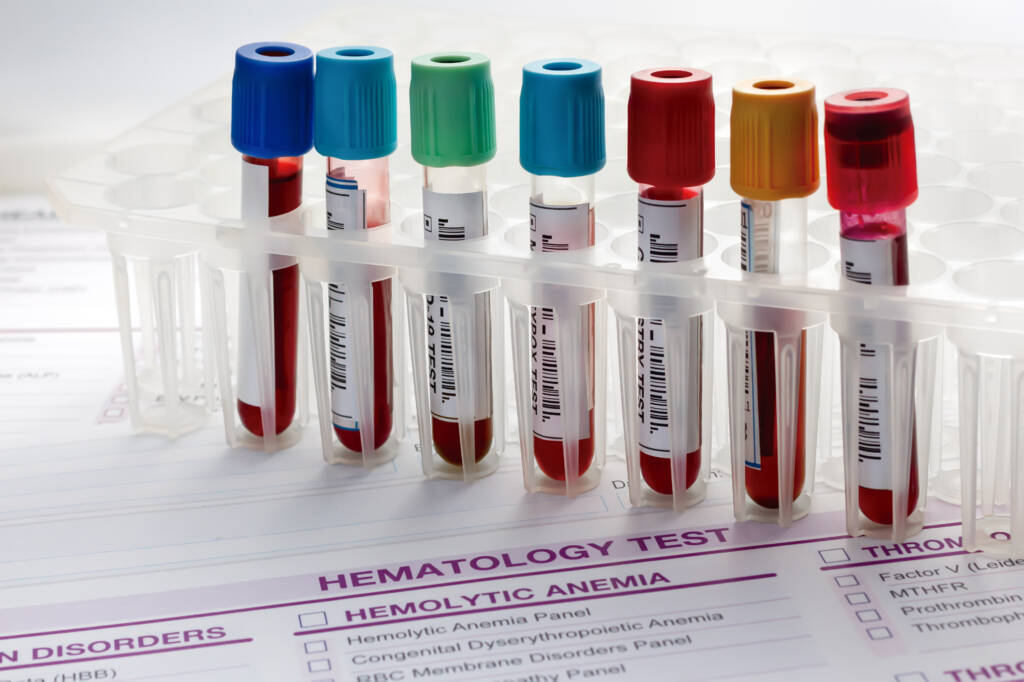
1 mL serum. Allow SST to clot in an upright position for at least 30 minutes, then centrifuge sample within 2 hours of collection. Refrigerate.
Container Type
Serum separator tube
Alternate Specimen Requirements
1 mL serum from a plain red top tube. Allow sample to clot in an upright position for at least 60 minutes, then centrifuge sample and transfer serum to a plastic transport tube within 2 hours of collection. Clearly label tube as serum from a plain red top tube. Refrigerate.
Minimum Volume
- 0.5 mL serum
Transport Temperature
Refrigerated
Expected Turnaround Time
1–3 days
Specimen Stability
- 4 days room temperature
- 8 days refrigerated
- 2 months frozen
Methodology
Immunoturbidimetric standardized to WHO-IRP reference standard IFCC SP1-01
Rejection Criteria:
- Thawed samples
Overview
Apolipoprotein B (Apo B) is one of several apolipoproteins which structurally bind and help solubilize circulating lipoprotein, as well as function as cofactors for enzymes and ligands for receptors (Mahley 1984; Rosenson 2019). Apo B plays a central role in carrying cholesterol and triglycerides from the liver and intestine to utilization and storage sites (Elhomsy 2014).
The two forms of Apo B produced from the APOB gene by posttranscriptional editing are Apo B-100 and Apo B-48.
- Apo B-100 is required for VLDL production in the liver and also functions as the ligand for LDL-receptor-mediated endocytosis of LDL particles, promoting cholesterol uptake into cells.
- Exactly one Apo B-100 is present in each LDL cholesterol particle, where it represents 95% of the total protein present (Bancells 2010). High levels of Apo B-100 are associated with increased risk for cardiovascular diseases (CVD) (Whitfield 2004).
- Apo B-48 is required for chylomicron production in the small intestine and is not recognized by the LDL receptor (Feingold 2018).
The Apo B test is specific for Apo B-100.
Apo B-100 is considered one of the nontraditional markers of CVD and is not currently recommended for routine CVD assessment by most major US guidelines. Apo B-100 levels may be appropriate in certain populations at high risk for CVD, as well as to help diagnose genetic disorders that cause overproduction or underproduction of Apo B (Elhomsy 2014; Greenland 2010).
Clinical Significance
- Not currently recommended for routine CVD risk assessment in asymptomatic adults by the 2010 American College of Cardiology Foundation/American Heart Association guidelines (Greenland 2010).
- Useful for individuals with strong personal or family history of CVD and/or high cholesterol and triglycerides, especially in the presence of premature CVD.
- Monitor effectiveness of intervention (dietary changes, exercise, medication).
- Diagnose rare inherited or acquired conditions of apolipoprotein B that can cause hypercholesterolemia (overproduction of Apo B) or hypobetalipoproteinemia (underproduction of Apo B).
Additional Information
The two forms of Apo B (Apo B-100, Apo B-48) are encoded by a single gene (APOB) and a single, very long mRNA.
- Apo B-48 is identical to the amino-terminal 48% of Apo B-100 and is produced by the small intestine, whereas full-length Apo B-100 is produced in the liver.
Mutations in APOB cause diseases affecting plasma cholesterol and Apo B levels:
- Familial defective APOB-100 (FDB): an autosomal dominant mutation that results in a conformational change in the apolipoprotein B-LDL complex preventing its binding to the LDL receptor. This slows clearance of LDL from blood, resulting in accumulation of LDL and increasing the risk of premature CVD (NLM 2012).
- Familial hypobetalipoproteinemia (FHBL): a rare genetic condition with abnormally low levels of Apo B-100 and consequent low LDL cholesterol levels and resistance to CVD (Whitfield 2004).
- Abetalipoproteinemia (MTTP gene mutation): an autosomal recessive disorder that interferes with normal absorption of fat and fat-soluble vitamins.
- Heterozygotes: asymptomatic, normal lipid levels.
- Homozygotes: absent LDL, resulting in fat malabsorption, progressive ataxia, acanthocytic red blood cells, and retinitis pigmentosa. Death usually occurs by age 30 (Lee 2014).
| Apo B Form | Primary Source | Role |
|---|---|---|
| B-48 | Intestine | Found on chylomicrons and required for assembly and secretion. Not considered a risk factor for CVD. |
| B-100 | Liver | Found on VLDL, LDL, Lp(a). Required for assembly and secretion of VLDL. Ligand for LDL receptor. |
| Decrease Apo B | Increase Apo B |
|---|---|
| Malnutrition | Diabetes |
| Certain drugs (statins, estrogen, niacin, thyroxine) | Certain drugs (androgens, beta blockers, diuretics, progestins) |
| Hyperthyroidism | Hypothyroidism |
| Cirrhosis | Nephrotic Syndrome |
| Severe illness | Pregnancy |
| Weight loss | Familial defective APOB-1 (FDB) |
| Exercise | — |
| Familial hypobetalipoproteinemia (FHBL) | — |
| Abetalipoproteinemia (Bassen-Kornzweig syndrome) | — |
Interpretative Information
Refer to testing laboratory for lab-specific normal values and interpretation; values tend to be higher in males than females and increase with age.
Examples of ranges:
- Acceptable: <90 mg/dL
- Borderline high: 90–119 mg/dL
- High: ≥120 mg/dL
| CVD Risk Category | Apo B-100 Level (mg/dL) | Comment |
|---|---|---|
| Low Risk | ≤130 | 0–1 CVD risk factors |
| Moderate Risk | ≤110 | ≥2 CVD risk factors |
| High Risk | ≤90 | ≥3 CVD risk factors, but no diabetes mellitus (DM) or known CVD, or DM but no other major risk factors |
| Highest Risk | ≤80 | Known CVD or DM plus ≥1 additional major CVD risk factor(s) |
Adapted from Brunzell 2008; Elhomsy 2014.
Limitations
Rarely, samples with very high triglyceride levels may require retesting with a more dilute sample due to interference with assay.
References
Apolipoprotein B. AACC website https://labtestsonline.org/tests/apo-b. Updated February 19, 2019. Accessed June 24, 2019.
Bancells C, Canals F, Benítez S, et al. Proteomic analysis of electronegative low-density lipoprotein. J Lipid Res. 2010;51(12):3508-3515.20699421
Brunzell JD, Davidson M, Furberg CD, et al. J Am Coll Cardiol. 2008;51(15):1512-1524.18402913
Elhomsy G. Apolipoprotein B. Medscape website. https://emedicine.medscape.com/article/2087335-overview. Updated November 20, 2014. Accessed June 24, 2019.
Expert Panel on Detection, Evaluation, and Treatment of High Blood Cholesterol in Adults. JAMA. 2001;285(19):2486-2497.11368702
Expert Panel on Integrated Guidelines for Cardiovascular Health and Risk Reduction in Children and Adolescents. Pediatrics. 2011;128 Suppl 5:S213-56.22084329
Feingold KR, Grunfield C. Endotext. MDText.com, Inc.; 2000–2019. Updated February 2, 2018
Framingham Heart Study. http://www.framinghamheartstudy.org. Accessed March 6, 2019.
Goff DC Jr, Lloyd-Jones DM, Bennett G, et al. J Am Coll Cardiol. 2014;63(25 Pt B):2935-2959.24239921
Greenland P, Alpert JS, Beller GA, et al. Circulation. 2010;122(25):2748-2764.21098427
Grundy SM. Circulation. 2002;106(20):2526-2529.12427645
Grundy SM, Stone NJ, Bailey AL, et al. Circulation. 2018.30565953
Harada PH, Akinkuolie AO, Mora S. ACC website. Published August 20, 2014
Jellinger PS, Handelsman Y, Rosenblit PD, et al. Endocr Pract. 2017;23(Suppl 2):1-87.28437620
Lee J, Hegele RA. J Inherit Metab Dis. 2014;37(3):333-339.24288038
Mahley RW, Innerarity TL, Rall SC Jr, Weisgraber KH. J Lipid Res. 1984;25(12):1277-1294.6099394
Mayo Clinic Laboratories. Lipids and Lipoproteins in Blood Plasma (Serum). 2018
National Library of Medicine (NLM). APOB Gene.https://ghr.nlm.nih.gov/gene/APOB. Reviewed August 2012.
Nayor M, Vasan RS. Circulation. 2016;133(18):1795-1806.27143546
Olson RE. J Nutr. 1998;128(2 Suppl):439S-443S.9478044
Rollins G. Clinical Laboratory News website. 2012
Rosenson RS. UpToDate. Accessed May 22, 2019(a)
Rosenson RS. UpToDate. Accessed May 16, 2019(b).
Stone NJ, Robinson JG, Lichtenstein AH, et al. J Am Coll Cardiol. 2014;63(25 Pt B):2889-2934.24239923
Whitfield AJ, Barrett PH, van Bockxmeer FM, Burnett JR. Clin Chem. 2004;50(10):1725-1732.15308601
Wu NQ, Li JJ. Chronic Dis Transl Med. 2016;2(1):3-6.29063017
Yang EH. Lipid Management Guidelines. Medscape website. Updated November 30, 2018.
Zioncheck TF, Powell LM, Rice GC, Eaton DL, Lawn RM. J Clin Invest. 1991;87(3):767-771.1825665
Diagnostic Role
Controversy exists for the exact role of Apo B in CVD assessment and treatment.
Since there is exactly one molecule of Apo B-100 per atherogenic LDL particle, Apo B-100 is more representative of LDL concentration.
There is growing support for including Apo B measurement in routine lipid panels for assessing and monitoring patients at risk for cardiovascular disease (CVD).
As of 2018:
- ACC/AHA guidelines do not recommend Apo B for risk assessment in the general, asymptomatic population (Stone 2014).
- AACE/ACE guidelines do support Apo B-100 testing for high-risk groups such as obesity, diabetes, or dyslipidemia (Jellinger 2017).
Alias
B-100 apolipoprotein
Test Setup Days
Monday through Friday PM shift
CPT
82172 LOINC: 1884-6
Reference Range
MALE:
AGE: 0-17 YEARS: <90 MG/DL
>=18 YEARS: 66-133 MG/DL
FEMALE:
AGE: 0-17 YEARS: <90 MG/DL
>=18 YEARS: 60-117 MG/DL
| Unit Code | Unit Code Name | Analyte | Gender | Age | Reference Range | Units of Measure |
|---|---|---|---|---|---|---|
| 4003 | APOLIPO B | APOB | Not Specified | 0 Y | 60 – 133 | mg/dL |
| 4003 | APOLIPO B | APOB | Not Specified | 17 Y | < 90 | mg/dL |
| 4003 | APOLIPO B | APOB | Not Specified | 150 Y | 60 – 133 | mg/dL |
| 4003 | APOLIPO B | APOB | Male | 0 Y | 66 – 133 | mg/dL |
| 4003 | APOLIPO B | APOB | Male | 17 Y | < 90 | mg/dL |
| 4003 | APOLIPO B | APOB | Male | 150 Y | 66 – 133 | mg/dL |
| 4003 | APOLIPO B | APOB | Female | 0 Y | 60 – 117 | mg/dL |
| 4003 | APOLIPO B | APOB | Female | 17 Y | < 90 | mg/dL |
| 4003 | APOLIPO B | APOB | Female | 150 Y | 60 – 117 | mg/dL |