
Order Code
9179
Preferred Specimen
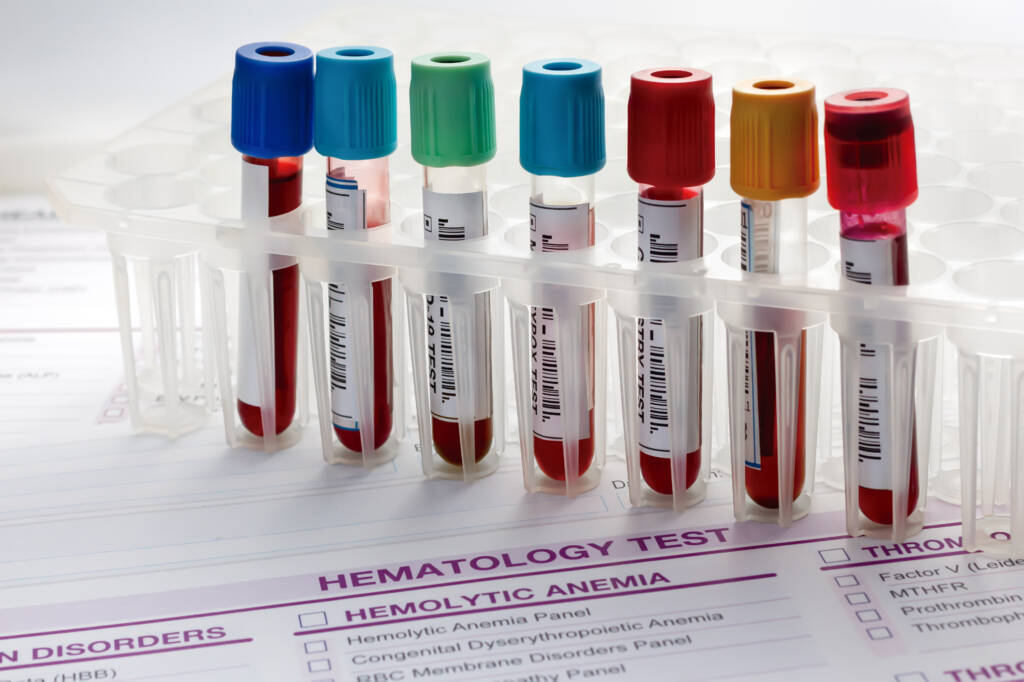
2 mL of serum. Allow the serum separator tube (SST) to clot upright for a minimum of 30 minutes. Centrifuge within 2 hours of collection. Store the specimen under refrigerated conditions.
ContainerType
Serum separator tube
Alternate Specimen Requirements
2 mL of serum collected in a plain red top tube. Let the specimen clot upright for at least 60 minutes. Centrifuge and transfer the serum into a plastic transport tube within 2 hours. Clearly indicate that the specimen is serum from a plain red top tube. Keep refrigerated.
Minimum Volume
2 mL serum
Transport Temperature
Refrigerated
Specimen Stability
Stable for 1 day at room temperature and up to 7 days if refrigerated.
Methodology
Roche COBAS automated methodology or other
automated chemistry method.
Overview
The Comprehensive Metabolic Panel (CMP) is a collection of 14 biochemical tests that provide a broad assessment of a patient’s overall metabolic health. It offers insight into fluid and electrolyte balance, kidney and liver function, and blood glucose regulation. Patterns of abnormal values can signal underlying health conditions that may require further investigation (AACC CMP, 2020).
The CMP includes the following components:
Albumin: A liver-synthesized protein that plays a role in maintaining oncotic pressure and transporting substances in the blood.
Sodium (Na⁺): A key extracellular ion responsible for regulating fluid distribution and osmotic pressure.
Potassium (K⁺): Primarily intracellular, even small fluctuations in serum levels can significantly impact cardiac function.
Chloride (Cl⁻): Works with sodium to maintain electrical neutrality and osmotic balance.
Bicarbonate (HCO₃⁻): Crucial for acid-base balance, regulated through renal mechanisms.
Blood Urea Nitrogen (BUN): A byproduct of protein metabolism, serving as an indirect marker of renal function.
Creatinine (Cr): A breakdown product of muscle metabolism, filtered by the kidneys and used to assess renal function.
Calcium (Ca²⁺): Mostly stored in bones; its extracellular concentration is tightly regulated by hormones.
Glucose: The body’s primary energy source, regulated by a balance of dietary intake, hormones, and metabolic demand.
Total Bilirubin: Derived from the breakdown of red blood cells and processed by the liver.
Alkaline Phosphatase (ALP): An enzyme found in liver and bone, involved in protein metabolism.
Aspartate Aminotransferase (AST/SGOT): A liver and muscle enzyme, often elevated in hepatic or muscular injury.
Alanine Aminotransferase (ALT/SGPT): Primarily found in the liver; elevations often reflect liver cell injury.
Total Protein: Measures albumin and globulin, the major blood proteins.
Clinical Significance
- Routine metabolic health assessment
- Identification of fluid or electrolyte imbalances
- Initial evaluation of acid-base disorders
- Workup of nonspecific symptoms (e.g., fatigue, nausea, confusion, arrhythmias)
- Monitoring of acute or chronic illnesses (e.g., liver disease, kidney dysfunction, diabetes, hypertension)
- Evaluation of medication effects, particularly those impacting liver or kidney function (e.g., diuretics, statins)
Additional Information
Though commonly ordered as a panel, CMP components may be requested individually to investigate specific organ systems or metabolic concerns. Additional electrolytes such as magnesium and phosphate may also be relevant in clinical evaluation (AACC CMP, 2020).
Interpretative Information
Sodium (Na⁺)
- High (>150 mEq/L):
- Dehydration (diuretics, vomiting, fever, burns)
- Excess salt intake
- Endocrine disorders (Cushing syndrome, diabetes insipidus, hyperaldosteronism)
- Certain medications (steroids, laxatives)
- Low (<125 mEq/L):
- Fluid overload states (heart failure, cirrhosis, renal failure)
- Endocrine causes (SIADH, hypothyroidism, adrenal insufficiency)
- GI losses, third spacing, diuretics
- Pseudohyponatremia: Can occur with severe hyperglycemia; sodium drops ~1.3–1.6 mEq/L per 100 mg/dL increase in glucose.
Potassium (K⁺)
- High (>6.5 mEq/L):
- Renal insufficiency, adrenal insufficiency
- Tissue breakdown (e.g., trauma, acidosis)
- Certain medications (ACE inhibitors, NSAIDs, potassium supplements)
- False elevation: Hemolysis during collection or delayed processing
- Low (<2.5 mEq/L):
- Diuretics, GI losses, malnutrition
- Endocrine causes (aldosteronism, Cushing’s)
- Renal tubular disorders
Chloride (Cl⁻)
- High (>115 mEq/L):
- Hyperchloremic metabolic acidosis
- Excessive saline administration
- GI losses, renal tubular acidosis
- Low (<80 mEq/L):
- Vomiting, overhydration
- Diuretic use
- SIADH, chronic respiratory acidosis
Bicarbonate (HCO₃⁻)
- High (>30 mEq/L):
- Metabolic alkalosis
- Compensated respiratory acidosis
- Increased cortisol/aldosterone
- Low (<10 mEq/L):
- Metabolic acidosis, renal tubular acidosis
- Respiratory alkalosis
- Diarrhea, certain medications
Blood Urea Nitrogen (BUN)
- High (>100 mg/dL):
- Kidney dysfunction
- Dehydration, heart failure
- GI bleeding, high-protein diet, catabolic states
- Certain medications
- Low (<7 mg/dL):
- Malnutrition, overhydration
- Advanced liver disease
- Certain antibiotics (e.g., streptomycin)
Creatinine (Cr)
- High (>8 mg/dL):
- Renal failure, dehydration, urinary obstruction
- Nephrotoxic medications, glomerular disease
- Low:
- Generally not concerning
- Seen in reduced muscle mass
Glucose
- High (>99 mg/dL):
- Diabetes mellitus
- Stress states, endocrine disorders (e.g., Cushing’s, hyperthyroidism)
- Low (<65 mg/dL):
- Liver dysfunction, sepsis, adrenal insufficiency
- Insulinoma, overdose of glucose-lowering medications
Calcium (Ca²⁺)
- High (>10.3 mg/dL):
- Hyperparathyroidism, malignancy
- Vitamin D excess, immobilization
- Granulomatous diseases (e.g., sarcoidosis)
- Low (<8.5 mg/dL):
- Hypoalbuminemia (most common)
- Vitamin D or magnesium deficiency, renal failure
- Pancreatitis
Total Bilirubin
- High (>1.0 mg/dL):
- Unconjugated: Hemolysis, genetic conditions (e.g., Gilbert syndrome)
- Conjugated: Hepatitis, drug toxicity, biliary obstruction
- Mixed: Liver dysfunction or biliary disease
- Low:
- Not typically clinically significant
- May be drug-related (e.g., caffeine, barbiturates)
Alkaline Phosphatase (ALP)
- High:
- Liver or bone disease
- Biliary obstruction, fractures, infections
- Pregnancy, certain medications
- Low:
- Malnutrition
- Rare conditions (e.g., hypophosphatasia)
AST (Aspartate Aminotransferase)
- High:
- Liver conditions (hepatitis, cirrhosis), myocardial infarction
- Muscle injury, medication toxicity
ALT (Alanine Aminotransferase)
- High:
- Liver-specific marker
- Elevations suggest hepatocellular injury or drug-induced liver damage
Total Protein
- High:
- Chronic inflammation, infection
- Multiple myeloma, dehydration
- Low:
- Liver disease, nephrotic syndrome
- Malnutrition or malabsorption
Albumin
- High:
- Dehydration
- Low:
- Liver dysfunction, protein loss (e.g., nephrotic syndrome)
- Malnutrition, inflammation, hypothyroidism
Limitations
Potassium
- Susceptible to falsely high readings due to hemolysis or improper handling.
Bicarbonate
- Can be artificially low if exposed to air or underfilled tubes; over-heparinization can significantly lower results.
Creatinine
- NAC or NAPQI may falsely lower values.
- May remain within normal range in early kidney dysfunction.
- Recent meat intake can temporarily raise levels and affect eGFR estimation.
eGFR
- Not reliable in acute kidney injury.
- May be inaccurate in individuals with abnormal muscle mass.
- Pediatric calculations require alternate formulas (AACC eGFR 2020).
References
American Association for Clinical Chemistry (AACC). Comprehensive Metabolic Panel (CMP). AACC website. https://labtestsonline.org/tests/comprehensive-metabolic-panel-cmp. Updated August 12, 2020. Accessed September 2, 2020.
American Association for Clinical Chemistry (AACC). Calcium. AACC website. https://labtestsonline.org/tests/calcium. Updated February 19, 2020. Accessed August 25, 2020.
American Association for Clinical Chemistry (AACC). Electrolytes and Anion Gap. AACC website. https://labtestsonline.org/tests/aldosterone-and-renin. Updated November 13, 2019. Accessed August 14, 2020.
American Association for Clinical Chemistry (AACC). Estimated Glomerular Filtration Rate (eGFR). AACC website. https://labtestsonline.org/tests/estimated-glomerular-filtration-rate-egfr. Updated September 8, 2020. Accessed September 22, 2020.
American Association for Clinical Chemistry (AACC). Total Protein, Albumin-Globulin (A/G) Ratio. AACC website. https://labtestsonline.org/tests/total-protein-albumin-globulin-ag-ratio. Updated August 12, 2019. Accessed September 2 2020.
Biljak VR, Honović L, Matica J, Krešić B, Vojak SŠ. The role of laboratory testing in detection and classification of chronic kidney disease: national recommendations. Biochem Med (Zagreb). 2017 Feb 15;27(1):153-176. doi: 10.11613/BM.2017.01928392738
Freda BJ, Davidson MB, Hall PM. Evaluation of hyponatremia: a little physiology goes a long way. Cleve Clin J Med. 2004;71(8):639-650. doi:10.3949/ccjm.71.8.63915449759
Kapsner CO, Tzamaloukas AH. Understanding serum electrolytes. How to avoid mistakes. Postgrad Med. 1991;90(8):151-161. doi:10.1080/00325481.1991.117011461749730
Lee S, Kang KP, Kang SK. Clinical usefulness of the serum anion gap. Electrolyte Blood Press. 2006;4(1):44-46. doi:10.5049/EBP.2006.4.1.4424459484
Nickson C. Anion Gap. Life in the Fastlane website: https://litfl.com/anion-gap. Update April 23, 2019. Accessed July 16, 2020.
Scott MG, Heusel JW, LeGrys VA, et al. Electrolytes and Blood Gases. In: Burtis CA, Ashwood ER, eds. Tietz Textbook of Clinical Chemistry. 3rd ed. Philadelphia, PA: WB Saunders Co; 1999:1056-92.
Diagnostic Role
The comprehensive metabolic panel (CMP) is ordered during both routine health exams and in acute evaluations to identify electrolyte, fluid, metabolic imbalance (acidosis or alkalosis), renal and hepatic function, and/or glucose abnormalities. The CMP is used to screen for conditions such as diabetes, renal disease or hepatic dysfunction, as well as monitor known conditions, such as hypertension (AACC CMP 2020).
Results are evaluated for both individual lab abnormalities as well as together to identify patterns that may identify or suggest underlying pathology, such as dehydration, renal or pulmonary disease, or endocrine abnormalities. A series of CMPs may be followed over time to monitor interventions. If the resulted values do not correlate with clinical findings, hemolysis or laboratory error needs to be ruled out, typically by resubmitting a new blood sample for the laboratory to analyze.
Test Setup Days
Monday through Friday
CPT
80053 AMA Defined Profile.