
Order Code
2823
Preferred Specimen
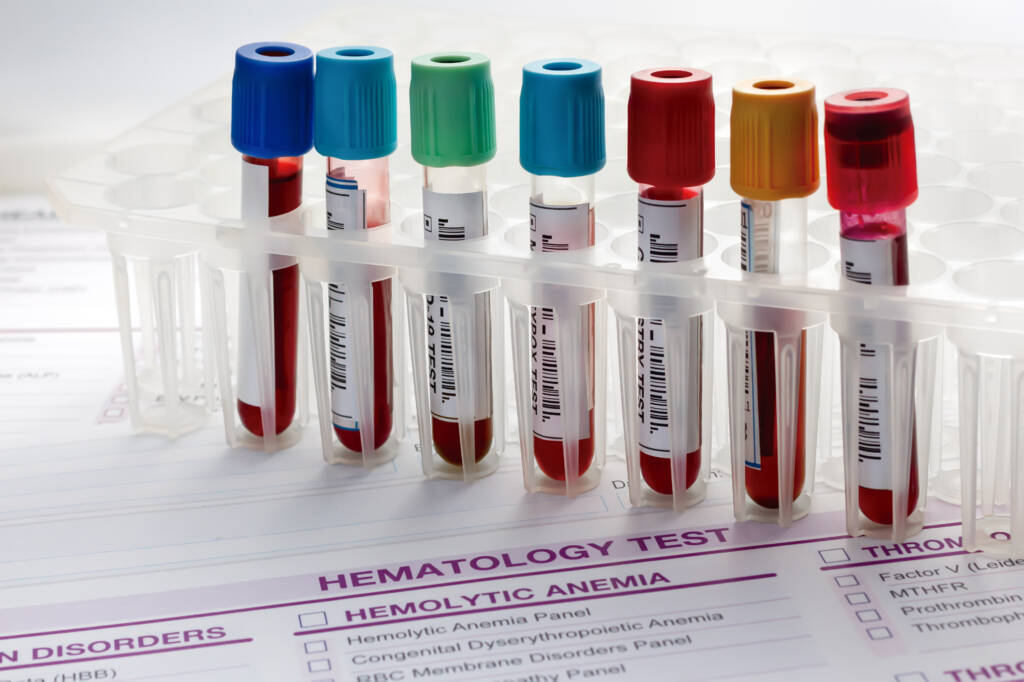
Collect 2 mL of serum. Allow the SST tube to clot upright for at least 30 minutes, then centrifuge the sample within 2 hours of collection. Refrigerate the specimen.
ContainerType
Serum separator tube
Alternate Specimen Requirements
A 2 mL serum sample collected in a plain red top tube is acceptable. Allow the sample to clot in an upright position for at least 60 minutes, then centrifuge and transfer the serum to a plastic transport tube within 2 hours. Clearly label the tube as serum from a plain red top tube. Refrigerate.
Minimum Volume
Adult: 1 mL serum
Pediatric: 0.2 mL serum (does not allow for repeat or
additional testing).
Transport Temperature
Refrigerated
Expected Turnaround Time
3 days
Specimen Stability
5 days room temperature; 1 week refrigerated; 1 month frozen. Allow only one freeze/thaw cycle
Methodology
Roche COBAS Electrochemiluminescence Immunoassay (ECLIA) this method has been standardized against the elecsys ft4 method. The elecsys ft4 assay is traceable to the enzymun- test ft4 which has been standardized using equilibrium dialysis.
Overview
Thyroxine, commonly referred to as T4 because it contains four iodine atoms, is one of the two primary hormones secreted by the thyroid gland, the other being triiodothyronine (T3). The secretion of T4 from the thyroid is stimulated by thyroid stimulating hormone (TSH) produced by the pituitary gland. In peripheral tissues like the liver and brain, T4 is converted into the more active T3. Pituitary secretion of TSH is regulated by feedback from circulating free T4 and T3 levels—low levels of these hormones increase TSH secretion, while high levels suppress it.
Total T4 measures both the hormone bound to proteins and the free fraction; however, only the free T4 is biologically active. At any time, the majority of circulating thyroxine (>99.9%) is bound to transport proteins such as thyroxine binding globulin (TBG), prealbumin, and albumin, with only a small percentage (0.03% to 0.04%) existing as free hormone. Changes in these carrier proteins influence total T4 levels but have minimal effect on free T4 concentrations.
Due to the influence of binding protein variations on total T4 levels in individuals who are otherwise euthyroid, reliance on total T4 testing has declined. Instead, the third-generation sensitive TSH assay (sTSH), alone or combined with a free T4 measurement, is preferred for thyroid function screening.
Clinical Significance
- Diagnose thyroid disease: FT4 is preferred over total T4; predominantly a second-line test after TSH to evaluate TSH changes
- May become first-line test in select conditions where TSH is diagnostically unreliable (eg, early phase of treating hypo- or hyperthyroidism, when hypothalamic-pituitary dysfunction is suspected to be present, or when patient is taking certain drugs such as glucocorticoids that affect TSH secretion)
- Assess severity of hypothyroidism (FT4 decreased) and hyperthyroidism (FT4 increased)
- Monitor therapy (replacement or suppressive)
- Evaluate hypothalamic-pituitary dysfunction (eg, central hypothyroidism)
- Indicator of thyroid function when TBG is normal, patient is not pregnant, or nonthyroidal illness in not present
- Diagnose thyroid disease, although FT4measurement is preferred over total T4
- Assess severity of hypothyroidism (T4 decreased) and hyperthyroidism (T4 increased)
- Monitor therapy (replacement or suppressive)
- Total T4 measurement may be useful when patient is on heparin therapy as free fatty acids (generated during therapy) displace T4 from albumin yielding a falsely high FT4 result (Dufour, 2007; Gurnell, 2011).
- Used in calculation of free thyroxine index (FTI) (FTI = Total T4 x T3 uptake); originally considered to be a more accurate indicator of thyroid status in presence of abnormal concentrations of plasma proteins (TBG, albumin, prealbumin); however FTI has been replaced by FT4 measurement.
Additional Information
Free T4 is a more accurate reflection of thyroid status than total T4 because it is less impacted by fluctuations in thyroxine-binding proteins. Measurement of free T4 is especially useful when abnormalities in binding globulins are suspected, or when total T4 and TSH results are inconclusive or inconsistent with the clinical picture. Typically, free T4 levels remain normal in euthyroid individuals with elevated thyroxine-binding globulin.
Thyroid disease screening is common in clinical practice due to the nonspecific nature of symptoms, its role in evaluating secondary conditions, and the assessment of thyroid nodules or goiters. Occasionally, sensitive TSH results may show mild abnormalities (either high or low) while free T4 remains within the normal range, suggesting “subclinical” thyroid dysfunction. In these cases, testing for thyroid autoantibodies may help identify patients at higher risk of progressing to overt thyroid disease. Additionally, assessment of total T3 is recommended to exclude T3 thyrotoxicosis (see Triiodothyronine, Total, Serum). Patients with subclinical thyroid profiles require periodic monitoring for potential progression. The presence of a goiter increases the likelihood of developing overt thyroid disease.
Interpretative Information
Decreased:
- Primary hypothyroidism (eg, Hashimoto thyroiditis, endemic goiter)
- Status postsurgery, radioactive iodine (RAI), or antithyroid medication (propylthiouracil, methimazole)
- Central hypothyroidism (eg, postpartum pituitary necrosis, tumors)
- Recovering subacute thyroiditis
- Conditions that reduce total T4 (but not FT4 as significantly) due to decreased proteins (TBG, prealbumin, albumin) such as malnutrition, nephrotic syndrome, GI protein loss, and chronic liver disease
- Drugs (eg, phenytoin, carbamazepine, anabolic steroids, interferon, interleukin-2, lithium)
- Significant nonthyroidal illness (NTI), also known as euthyroid sick syndrome − total T4 is typically affected more than FT4
Increased:
- Hyperthyroidism (eg, Graves disease, toxic multinodular or uninodular goiter, iodine-induced hyperthyroidism)
- Early Hashimoto thyroiditis
- First stage of (painful) subacute thyroiditis
- Thyrotoxicosis factitia
- Peripheral resistance to thyroid hormone
- Trophoblastic disease
- Conditions that elevate total T4 (but not FT4 as significantly) due to increased proteins (TBG, prealbumin, and albumin) such as pregnancy, genetically increased TBG, acute intermittent porphyria, and primary biliary cirrhosis
- Euthyroid patients with familial dysalbuminemic hyperthyroxinemia
- Drugs (eg, amiodarone, estrogens, clofibrate, methadone)
Limitations
- Although FT4 methods are designed to be unaffected by changes in binding protein concentrations, extremes of TBG, prealbumin, and albumin can interfere with immunoassay results (Dufour, 2007). This includes changes that occur during normal pregnancy (increased estrogen causes higher levels of TBG which in turn causes increased T4 and T3 levels) (Lee, 2009; Spencer, 2013).
- In highly sensitive single- or double-antibody immunoassays, the presence of circulating endogenous antibodies including autoantibodies, heterophile antibodies, and rheumatoid factors can cause misleading results (Després, 1998).
- This assay will not detect T3 thyrotoxicosis.
- Discrepancies in free T4 levels between methods are recognized.
- Most FT4 immunoassays yield falsely high values with familial dysalbuminemic and transthyretin-associated hyperthyroxinemia due to altered protein structures with increased affinity for thyroxine and/or triiodothyronine. FT4 is normal when measured by direct techniques (eg, equilibrium dialysis) (Spencer, 2013).
- Both fractionated and unfractionated heparin may cause artificial elevations of FT4 due to T4 displacement from albumin by generated free fatty acids. This may reflect an in vitro reaction or continuation of in vivo to in vitro. It might be advantageous to order thyroid function testing prior to heparin administration or consider measurement of total T4.
- High circulating levels of biotin can interfere with thyroid function assays, most commonly causing falsely high levels of T3, free T3 and free T4 and falsely low levels of TSH, leading to an incorrect diagnosis of hyperthyroidism or conclusion that thyroid hormone dose is too high. Results inconsistent with clinical picture should be investigated (Li 2017).
- Total T4 alone is not recommended as an initial screening test (Dayan, 2001).
- This assay will not detect T3 thyrotoxicosis.
- As 99% of T4 is bound to plasma proteins (TBG, prealbumin, albumin), changes in the concentrations of these proteins (via disease, pregnancy, malnutrition) will falsely increase or decrease results. FT4 (active fraction) is much less sensitive to changes in the binding proteins.
References
Bartalena L, Bogazzi F, Brogioni S, et al. Measurement of serum free thyroid hormone concentrations: an essential tool for the diagnosis of thyroid dysfunction. Horm Res. 1996;45(3-5):142-147.8964573
Bowen R. Thyroid hormones: pregnancy and fetal development. Pathophysiology of the Endocrine System. Available at http://www.vivo.colostate.edu/hbooks/pathphys/endocrine/thyroid/thyroid_preg.html Updated 2012. Accessed September 4, 2013.
Bowen R, Benavides R, Colón-Franco JM, et al. Best practices in mitigating the risk of biotin interference with laboratory testing. Clin Biochem. 2019;74:1-11.31473202
Dayan CM. Interpretation of thyroid function tests. Lancet. 2001;357(9256):619-624.11558500
Després N, Grant AM. Antibody interference in thyroid assays: a potential for clinical misinformation. Clin Chem. 1998;44(3):440-454.9510847
Dufour DR. Laboratory tests of thyroid function: uses and limitations. Endocrinol Metab Clin of North Am. 2007;36(3):579-594.17673120
Galarza JB. Thyroid function tests. In: Farwell A, ed. Clinical Thyroidology for the Public. Falls Church, VA: American Thyroid Association; 2018:11(12):3-4. https://www.thyroid.org/wp-content/uploads/publications/ctfp/volume11/issue12/ct_public_v1112_3_4.pdf. Accessed July 22, 2020
Gurnell M, Halsall DJ, Chatterjee VK. What should be done when thyroid function tests do not make sense? Clin Endocrinol (Oxf). 2011;74(6):673-678.21521292
Katzman BM, Lueke AJ, Donato LJ, Jaffe AS, Baumann NA. Prevalence of biotin supplement usage in outpatients and plasma biotin concentrations in patients presenting to the emergency department. Clin Biochem. 2018;60:11-16.30036510
Lee RH, Spencer CA, Mestman JH. Free T4 immunoassays are flawed during pregnancy. Am J Obstet Gynecol. 2009;200(3):260.19114271
Li D, Radulescu A, Shrestha RT, et al. Association of Biotin Ingestion With Performance of Hormone and Nonhormone Assays in Healthy Adults. JAMA. 2017;318(12):1150-1160. doi:10.1001/jama.2017.13705.28973622
Luong JHT, Vashist SK. Chemistry of Biotin-Streptavidin and the Growing Concern of an Emerging Biotin Interference in Clinical Immunoassays. ACS Omega. 2019;5(1):10-18.31956746
McPherson RA, Pincus MR, eds. Henry’s Clinical Diagnosis and Management by Laboratory Methods. 3rd ed. Philadelphia PA: Saunders Elsevier; 2007.
Spencer CA. Assay of thyroid hormones and related substances. In: De Groot LJ, ed. Thyroid Disease Manager [Internet]. South Dartmouth, MA: MDText.com, Inc.; 2000-2015. http://www.thyroidmanager.org/chapter/assay-of-thyroid-hormones-and-related-substances/. Updated January 1, 2013. Accessed December 2, 2015
Supit EJ and Peiris AN. Interpretation of laboratory thyroid function tests for the primary care physician. South Med J. 2002;95(5):481-485.12005004
Diagnostic Role
Combining the sTSH test with the FT4 will accurately determine thyroid gland functioning in most clinical situations. An elevated TSH with low FT4 indicates primary hypothyroidism due to primary thyroid gland dysfunction. A low TSH and low FT4 indicate central hypothyroidism due to a problem involving the pituitary, or less commonly, the hypothalamus. A low TSH with an elevated FT4 indicates primary hyperthyroidism.
Alias
- free thyroxine (free t4)
- t4, free (thyroxine)
- thyroxine, free (t4)
Test Setup Days
Monday through Friday PM shift
CPT
84439 Limited Coverage Test For Medicare.
Advance Beneficiary Notice Of Non-Coverage (ABN) Required
If Diagnosis Is Not Covered.
Frequency Limit Test For Medicare.
Advance Beneficiary Notice Of Non-Coverage (ABN) Always
Required For Frequency.
If Free Thyroxine Is Measured, It Is Not Considered
Appropriate To Measure T4 Total Or T3 Uptake.
Medicare Payment For T4 Total And T3 Uptake Will Be Denied
If Ordered On The Same Day As Measured Free Thyroxine.
LOINC: 3024-7
Reference Range
AGE 0-3 DAYS: 0.70-2.70 NG/DL
4 DAYS-1 MONTH: 0.80-3.10 NG/DL
2-23 MONTHS: 0.50-2.30 NG/DL
2-6 YEARS: 0.90-1.80 NG/DL
7-11 YEARS: 0.90-1.70 NG/DL
12-19 YEARS: 0.90-1.60 NG/DL
>=20 YEARS: 0.80-1.90 NG/DL
NOTE:EXPECTED REFERENCE RANGE FOR FREE T4 VS. TSH
FOR PATIENTS >=20 YEARS IS AS FOLLOWS.
FREE T4 – 0.80-1.90 NG/DL . . TSH – 0.400-1.000 MIU/ML
FREE T4 – 0.80-1.70 NG/DL . . TSH – 1.000-4.100 MIU/ML
| UNIT CODE | UNIT CODE NAME | ANALYTE | GENDER | AGE | REFERENCE RANGE | Units of Measure |
|---|---|---|---|---|---|---|
| 2823 | FREE T4 | FT4 | NOT SPECIFIED | 0Y | 0.80-1.90 | NG/DL |
| 2823 | FREE T4 | FT4 | NOT SPECIFIED | 3D | 0.70-2.70 | NG/DL |
| 2823 | FREE T4 | FT4 | NOT SPECIFIED | 1M | 0.80-3.10 | NG/DL |
| 2823 | FREE T4 | FT4 | NOT SPECIFIED | 23M | 0.50-2.30 | NG/DL |
| 2823 | FREE T4 | FT4 | NOT SPECIFIED | 6Y | 0.90-1.80 | NG/DL |
| 2823 | FREE T4 | FT4 | NOT SPECIFIED | 11Y | 0.90-1.70 | NG/DL |
| 2823 | FREE T4 | FT4 | NOT SPECIFIED | 19Y | 0.90-1.60 | NG/DL |
| 2823 | FREE T4 | FT4 | NOT SPECIFIED | 150Y | 0.80-1.90 | NG/DL |
| 2823 | FREE T4 | FT4 | MALE | 0Y | 0.80-1.90 | NG/DL |
| 2823 | FREE T4 | FT4 | MALE | 3D | 0.70-2.70 | NG/DL |
| 2823 | FREE T4 | FT4 | MALE | 1M | 0.80-3.10 | NG/DL |
| 2823 | FREE T4 | FT4 | MALE | 23M | 0.50-2.30 | NG/DL |
| 2823 | FREE T4 | FT4 | MALE | 6Y | 0.90-1.80 | NG/DL |
| 2823 | FREE T4 | FT4 | MALE | 11Y | 0.90-1.70 | NG/DL |
| 2823 | FREE T4 | FT4 | MALE | 19Y | 0.90-1.60 | NG/DL |
| 2823 | FREE T4 | FT4 | MALE | 150Y | 0.80-1.90 | NG/DL |
| 2823 | FREE T4 | FT4 | FEMALE | 0Y | 0.80-1.90 | NG/DL |
| 2823 | FREE T4 | FT4 | FEMALE | 3D | 0.70-2.70 | NG/DL |
| 2823 | FREE T4 | FT4 | FEMALE | 1M | 0.80-3.10 | NG/DL |
| 2823 | FREE T4 | FT4 | FEMALE | 23M | 0.50-2.30 | NG/DL |
| 2823 | FREE T4 | FT4 | FEMALE | 6Y | 0.90-1.80 | NG/DL |
| 2823 | FREE T4 | FT4 | FEMALE | 11Y | 0.90-1.70 | NG/DL |
| 2823 | FREE T4 | FT4 | FEMALE | 19Y | 0.90-1.60 | NG/DL |
| 2823 | FREE T4 | FT4 | FEMALE | 150Y | 0.80-1.90 | NG/DL |