
Order Code
2130
Preferred Specimen
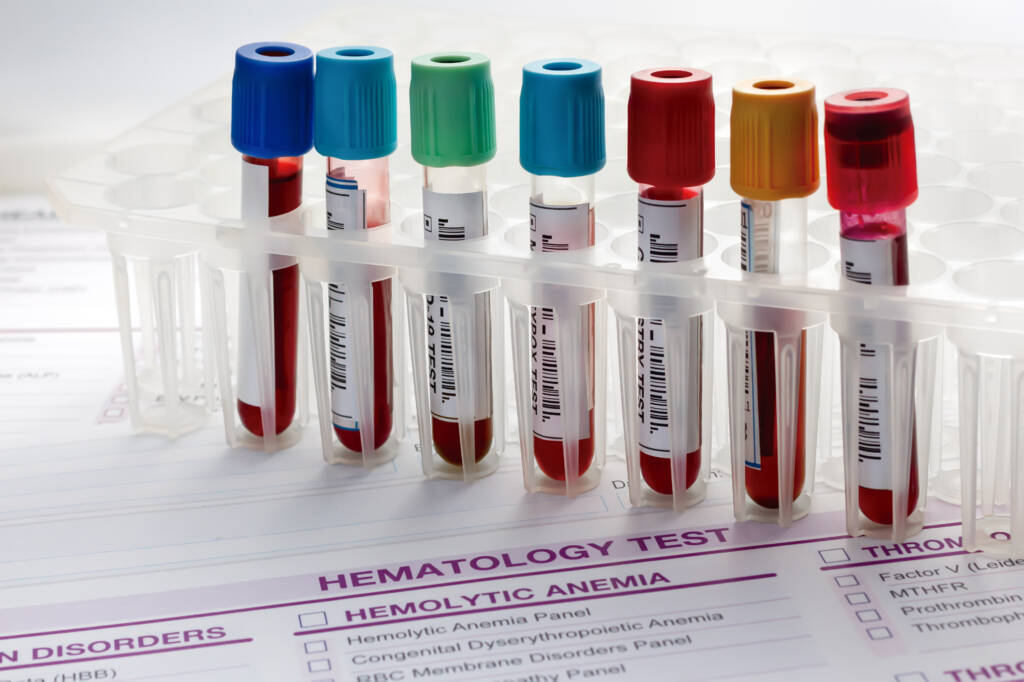
Collect 2 mL of serum. Allow the SST tube to clot in an upright position for at least 30 minutes, then centrifuge the sample within 2 hours of collection. Refrigerate the serum.
ContainerType
Serum separator tube
Alternate Specimen Requirements
A 2 mL serum sample from a plain red top tube is acceptable. Allow the sample to clot upright for a minimum of 60 minutes, then centrifuge and transfer the serum to a plastic transport tube within 2 hours of collection. Ensure the tube is clearly labeled as serum from a plain red top tube. Refrigerate.
Minimum Volume
Adult: 0.5 mL serum
Pediatric: 0.2 mL serum (does not allow for repeat or
additional testing).
Transport Temperature
Refrigerated
Expected Turnaround Time
1 day
Specimen Stability
1 week room temperature; 1 week refrigerated; 1 year frozen
Methodology
Roche COBAS colorimetric gen 2 Note: STAT or regional laboratory testing may use different methodology and/or manufacturer
Rejection Criteria
- Gross hemolysis
Overview
Magnesium is the fourth most abundant mineral in the human body and serves as a cofactor in over 300 enzymatic reactions that regulate processes such as protein synthesis, muscle and nerve function, blood glucose regulation, and blood pressure control (NIH 2020). A critical role of magnesium is its involvement with mitochondrial ATP synthase; thus, imbalances—particularly hypomagnesemia—can lead to neuromuscular, cardiac, and neurological disturbances (Gröber 2015).
Magnesium is absorbed primarily through the small intestine and eliminated mainly via the kidneys. It circulates in three forms in equilibrium: free or ionized magnesium (Mg²⁺), protein-bound (mostly to albumin), and complexed with anions such as phosphate, bicarbonate, citrate, and sulfate. Only the free, ionized fraction is biologically active.
The adult human body contains roughly 25 grams of magnesium, with 50% to 60% stored in bones and the majority of the remainder in soft tissues. Approximately 1% of total body magnesium resides in extracellular fluid, with only about 0.3% found in serum, where levels are tightly regulated (NIH 2020). Because the majority of magnesium is stored in bone and cells, evaluating magnesium status can be challenging; serum magnesium levels correlate poorly with total body magnesium but remain clinically useful for detecting changes in magnesium status (Gröber 2015).
Clinical Significance
- Routine health screening
- Diagnostic aid for symptoms (eg, cardiac arrhythmias, neuromuscular spasms, tetany, convulsions)
- Monitor pre-eclamptic or eclamptic patients being treated with magnesium sulfate (MgSO4)
- Evaluation of electrolyte imbalance
- Investigation of refractory hypokalemia, hypocalcemia, hyponatremia
- Evaluation of medications that cause electrolyte imbalance (diuretics) or may directly affect Mg levels (aminoglycosides, amphotericin B, cisplatin, cyclosporine)
- Part of renal stone evaluation
- Evaluation of parenteral nutrition
- Investigation of digoxin toxicity (hypomagnesemia may induce digoxin toxicity with normal therapeutic digoxin levels)
Additional Information
Magnesium absorption occurs mainly in the small intestine, but blood levels are predominantly controlled through renal excretion and reabsorption. The kidneys filter magnesium at the glomerulus, with approximately 95% reabsorbed primarily in the thick ascending limb of the loop of Henle (50%–70%), proximal tubule (10%–25%), and distal convoluted tubule (10%) (de Baaij 2015). The kidneys adjust magnesium reabsorption and excretion rapidly in response to deficiency or excess, which can result in normal serum magnesium levels even when total body stores are depleted. Therefore, measuring urinary magnesium may provide a more accurate indication of magnesium depletion.
Interpretative Information
Decreased magnesium levels:
- Malabsorption
- Malnutrition
- Hypoparathyroidism
- Chronic alcoholism (poor intake as well as urinary loss)
- Chronic renal tubular disease
- Hypercalcemia of any cause
- Hemodialysis
- Chronic pancreatitis
- Pregnancy, particularly pre-eclampsia
- Phosphorus depletion
- Diarrhea
- Certain drugs (cyclosporine, digoxin, diuretics, insulin, phenytoin, proton pump inhibitors [chronic use greater than a year], certain antibiotics [eg, aminoglycosides, amphotericin B, ticarcillin], certain anti-neoplastic drugs [eg, cisplatin, cyclosporin, cetuximab])
Increased magnesium levels:
- Renal failure, oliguria (interference with glomerular filtration results in retention and thus elevation of serum/plasma Mg)
- Dehydration
- Addison disease
- Diabetic acidosis
- Hypothyroidism
- Certain drugs (eg, antacids [containing magnesium], aspirin, laxatives [containing magnesium], lithium, thyroid medication)
Limitations
- Measurement of blood magnesium (Mg) does not correlate with tissue pools (except interstitial fluid) or reflect total body Mg levels, and may remain in normal range despite decreased total body Mg.
- A decreased magnesium (Mg) level does indicate hypomagnesemia; however, a normal Mg level does not exclude a Mg deficiency. Urinary Mg, which declines before serum (plasma) Mg, is reported as an earlier and more reliable signal of evolving Mg deficiency (Fleming, 1996).
- Hemolysis will yield elevated results as levels in erythrocytes are two to three times higher than serum (plasma).
- Bilirubin may cause falsely low values by methylthymol blue photometric assays.
References
American Association for Clinical Chemistry (AACC). Magnesium. AACC website. https://labtestsonline.org/tests/magnesium. Updated December 6, 2019. Accessed October 7, 2020.
Cascella M, Vaqar S. Hypermagnesemia. 2020 Jul 4. In: StatPearls [Internet]. Treasure Island (FL): StatPearls Publishing; 2020 Jan–.31747218
de Baaij JH, Hoenderop JG, Bindels RJ. Magnesium in man: implications for health and disease. Physiol Rev. 2015;95(1):1-46.25540137
Fleming CR, George L, Stoner GL, Tarrosa VB, Moyer TP. The importance of urinary magnesium values in patients with gut failure. Mayo Clin Proc. 1996 Jan;71(1):21-4. doi: 10.4065/71.1.21.8538226
Gragossian A, Bashir K, Friede R. Hypomagnesemia. 2020 Sep 6. In: StatPearls [Internet]. Treasure Island (FL): StatPearls Publishing; 2020 Jan–.29763179
Gröber U, Schmidt J, Kisters K. Magnesium in Prevention and Therapy. Nutrients. 2015 Sep 23;7(9):8199-226. doi: 10.3390/nu7095388.26404370
Higdon J, Drake VJ. Magnesium. Linus Pauling Institute. Oregon State University; 2007. http://lpi.oregonstate.edu/infocenter/minerals/magnesium.
Huijgen HJ, Soesan M, Sanders R, Mairuhu WM, Kesecioglu J, Sanders GT. Magnesium levels in critically ill patients. What should we measure? Am J Clin Pathol. 2000 Nov;114(5):688-95. doi: 10.1309/jr9y-pptx-ajtc-qdrd.11068541
Jahnen-Dechent W, Ketteler M. Magnesium basics. Clin Kidney J. 2012 Feb;5(Suppl 1):i3-i14. doi: 10.1093/ndtplus/sfr163.26069819
Lum G. Hypomagnesemia in acute and chronic care patient populations. Am J Clin Pathol. 1992 Jun;97(6):827-30. doi: 10.1093/ajcp/97.6.827.1595603
National Institutes of Health. Magnesium. National Institute of Health website. https://ods.od.nih.gov/factsheets/Magnesium-HealthProfessional. Updated September 25, 2020. Accessed October 6, 2020.
Quamme GA. Laboratory evaluation of magnesium status. Renal function and free intracellular magnesium concentration. Clin Lab Med. 1993 Mar;13(1):209-23.8462261
Walsh SB, Zdebik AA, Unwin RJ. Magnesium: The Disregarded Cation. Mayo Clin Proc. 2015 Aug;90(8):993-5. doi: 10.1016/j.mayocp.2015.06.011.26250724
Zhang W. Point of Care Testing of Ionized Magnesium in Blood with Potentiometric Sensors – Opportunities and Challenges. Am J Biomed Sci. 2011. http://www.nwpii.com/ajbms.php
Diagnostic Role
A blood magnesium level is ordered during both routine health exams and acute evaluations to identify significantly abnormal levels of magnesium. Clinically, hypomagnesemia is much more prevalent than hypermagnesemia. Low magnesium levels are frequently seen in the presence of malnutrition, malabsorption, as well as endocrine disorders involving calcium and phosphorus metabolism. Elevated magnesium levels are less common, but are seen with kidney dysfunction and endocrine disorders (such as hypothyroidism and Addison disease).
Assessing magnesium status in the clinical setting is challenging as most magnesium is inside cells or bone [NIH 2020]. Blood magnesium levels provides only an approximate guide to the presence or absence of magnesium deficiency as less than 1% of total magnesium is found in the blood. Blood magnesium levels have little correlation with total body or specific tissue magnesium levels; however, given the ease of sampling, blood magnesium levels remain the most available and commonly used method for measuring magnesium concentration (NIH 2020).
When repletion is indicated, magnesium levels may be serially followed to monitor response to oral or intravenous magnesium replacement.
Test Setup Days
Monday through Friday PM shift
CPT
83735 LOINC: 19123-9
Reference Range
AGE AND GENDER SPECIFIC RANGES
ADULT RANGE: 1.6-2.6 MG/DL
| UNIT CODE | UNIT CODE NAME | ANALYTE | GENDER | AGE | REFERENCE RANGE | Units of Measure |
|---|---|---|---|---|---|---|
| 2130 | MAGNESIUM | MG | NOT SPECIFIED | 0Y | 1.6-2.6 | MG/DL |
| 2130 | MAGNESIUM | MG | NOT SPECIFIED | 5M | 1.5-2.2 | MG/DL |
| 2130 | MAGNESIUM | MG | NOT SPECIFIED | 6Y | 1.7-2.3 | MG/DL |
| 2130 | MAGNESIUM | MG | NOT SPECIFIED | 12Y | 1.7-2.1 | MG/DL |
| 2130 | MAGNESIUM | MG | NOT SPECIFIED | 20Y | 1.7-2.2 | MG/DL |
| 2130 | MAGNESIUM | MG | NOT SPECIFIED | 150Y | 1.6-2.6 | MG/DL |
| 2130 | MAGNESIUM | MG | MALE | 0Y | 1.6-2.6 | MG/DL |
| 2130 | MAGNESIUM | MG | MALE | 5M | 1.5-2.2 | MG/DL |
| 2130 | MAGNESIUM | MG | MALE | 6Y | 1.7-2.3 | MG/DL |
| 2130 | MAGNESIUM | MG | MALE | 12Y | 1.7-2.1 | MG/DL |
| 2130 | MAGNESIUM | MG | MALE | 20Y | 1.7-2.2 | MG/DL |
| 2130 | MAGNESIUM | MG | MALE | 150Y | 1.6-2.6 | MG/DL |
| 2130 | MAGNESIUM | MG | FEMALE | 0Y | 1.6-2.6 | MG/DL |
| 2130 | MAGNESIUM | MG | FEMALE | 5M | 1.5-2.2 | MG/DL |
| 2130 | MAGNESIUM | MG | FEMALE | 6Y | 1.7-2.3 | MG/DL |
| 2130 | MAGNESIUM | MG | FEMALE | 12Y | 1.7-2.1 | MG/DL |
| 2130 | MAGNESIUM | MG | FEMALE | 20Y | 1.7-2.2 | MG/DL |
| 2130 | MAGNESIUM | MG | FEMALE | 150Y | 1.6-2.6 | MG/DL |