
Order Code
4709
Preferred Specimen
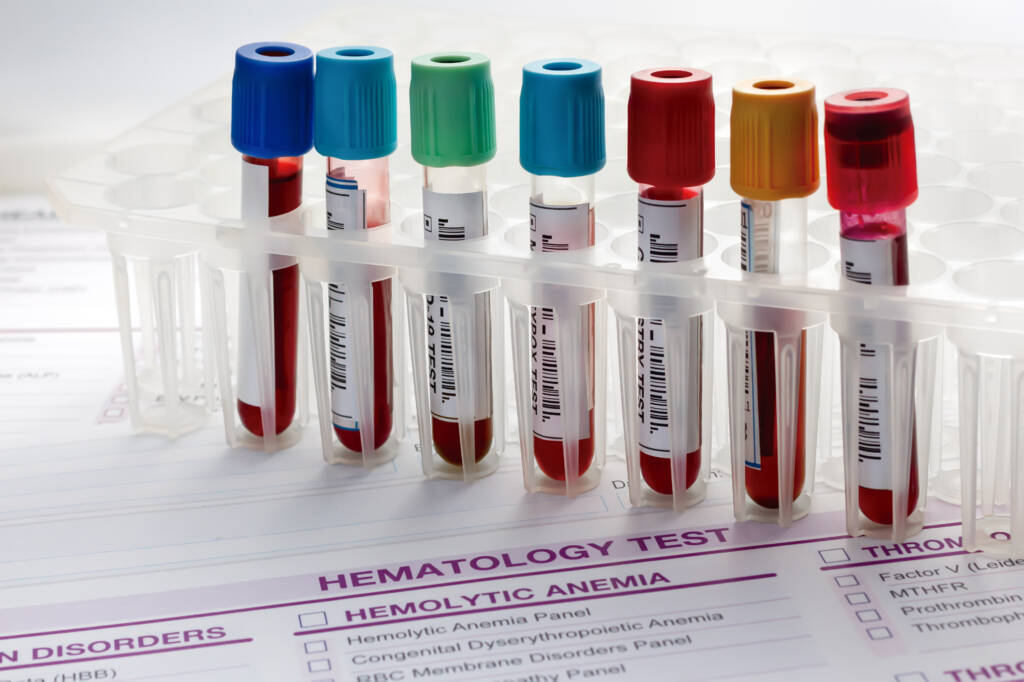
Collect 2 mL Serum using an SST tube. Allow it to clot in an upright position for at least 30 minutes, then centrifuge within 2 hours of collection. Refrigerate the specimen.
Container Type
Serum Separator Tube
Alternate Specimen Requirements
Acceptable alternatives include:
Collect 2 mL Serum in a plain red-top tube. Allow it to clot upright for at least 60 minutes, then centrifuge and transfer the serum into a plastic transport tube within 2 hours. Label the tube as Serum from Plain Red-Top Tube and Refrigerate.
Minimum Volume
- 0.3 mL Serum
Transport Temperature
Refrigerated
Expected Turnaround Time
2 Days
Specimen Stability
- Room Temperature: 24 hours
- Refrigerated: 6 days
- Frozen: 3 months
Methodology
Electrochemiluminescence Immunoassay (ECLIA)
Rejection Criteria
No more than one freeze/thaw cycle
Overview
Procalcitonin (PCT) is the precursor of the hormone calcitonin, which is normally produced by the thyroid C-cells and neuroendocrine cells of the lungs and intestines.
During systemic inflammation, especially bacterial infections, PCT production increases across various tissues and organs. Measuring these elevated levels helps identify bacterial infections and evaluate their severity.
In bacterial infections, PCT levels rise because bacterial endotoxins and cytokines block the conversion of PCT to calcitonin. In contrast, viral infections typically show low PCT levels, since cytokines like gamma interferon do not inhibit this conversion. Similarly, conditions such as gout, inflammatory bowel disease, arthritis, or the use of steroids and NSAIDs rarely cause a significant PCT increase (Gilbert, 2011).
PCT testing has been studied in two main patient groups — outpatients with respiratory tract infections and critically ill ICU patients (Hayashi, 2011). It also plays a role in reducing unnecessary antibiotic use for nonbacterial conditions and shortening treatment durations for bacterial infections.
Clinical Significance
- Helps differentiate bacterial infections (requiring antibiotics) from viral or allergic causes.
- Aids in the diagnosis of sepsis and infection severity assessment.
- Monitors treatment response to antibiotics and guides therapy duration.
- Supports antibiotic stewardship, minimizing overuse without affecting outcomes.
- Assists in diagnosing pediatric pneumonia and renal involvement in pediatric urinary tract infections (UTIs).
Additional Information
In pediatric UTIs, PCT demonstrates higher sensitivity (90%) and specificity (88%) than C-reactive protein for identifying kidney involvement (Xu, 2014).
While calcitonin (CT) remains the main marker for medullary thyroid cancer (MTC), PCT testing offers advantages — studies show strong correlations between CT and PCT in MTC patients, suggesting PCT can serve as a complementary or alternative marker (Machens, 2014).
Interpretative Information
In healthy individuals, PCT ≤0.1 ng/mL is normal. Levels may become detectable within 2–4 hours of systemic inflammation, peaking within 24 hours.
PCT remains elevated during ongoing infection and drops by about 50% daily once effective treatment begins (Schuetz, 2011).
Newborns may show naturally high PCT levels during the first 24–72 hours after birth. However, those with early sepsis have significantly higher PCT values compared to uninfected newborns (Chiesa, 1998).
Cutoff Points for Interpretation
Lower Respiratory Tract Infections (Adults) (Clayton, 2013):
- < 0.10 ng/mL – Bacterial infection very unlikely
- 0.10 – < 0.25 ng/mL – Bacterial infection unlikely
- 0.25 – < 0.50 ng/mL – Bacterial infection possible
- ≥ 0.50 ng/mL – Suggestive of bacterial infection
Systemic Bacterial Infection / Sepsis (Adults) (Clayton, 2013):
- < 0.50 ng/mL – Systemic infection unlikely
- 0.50 – < 2.0 ng/mL – Possible systemic infection
- 2.0 – < 10.0 ng/mL – Likely systemic infection; high risk for progression
- ≥ 10.0 ng/mL – Severe sepsis or septic shock likely
Noninfectious Causes of Elevated PCT
- Major trauma, surgery, burns, multiorgan failure
- Addisonian crisis, pancreatitis, cirrhosis (Child-Pugh C)
- Myocardial infarction, cardiogenic or hemorrhagic shock
- Heat stroke, peritoneal dialysis
- Certain cancers: medullary thyroid carcinoma, small-cell lung carcinoma, bronchial carcinoid
- Treatment with interleukins or TNF-α
- Parasitic (Plasmodium falciparum) and fungal infections
- Newborns during the first two days of life
Limitations
- Should not replace clinical judgment or microbiologic studies.
- Early infections (<6 hours) may show false-negative results; repeat testing in 6 hours is advised.
- Fibrin or particulate matter may lead to false-low readings.
- Localized or subacute infections (e.g., endocarditis) may yield low PCT.
- Antibiotic pretreatment can reduce PCT levels.
- Rare high-dose hook effect may cause false-low results.
References
Agency for Healthcare Research and Quality. Evidence-based practice center systematic review protocol project title: procalcitonin for diagnosis and management of sepsis. 2011. http://www.effectivehealthcare.ahrq.gov/.
Agarwal R, Schwartz DN. Procalcitonin to guide duration of antimicrobial therapy in intensive care units: a systematic review. Clin Infect Dis. 2011;53(4):379-387.21810753
Bouadma L, Luyt CE, Tubach F, et al,.Use of procalcitonin to reduce patients’ exposure to antibiotics in intensive care units (PRORATA trial): a multicentre randomised controlled trial,” Lancet. 2010;375(9713):463-47420097417
Brooks M. FDA expands use of procalcitonin test to help guide ABX use. Medscape website. http://www.medscape.com/. Published February 24, 2017. Accessed February 28, 2017.
Chiesa C, Panero A, Rossi N, et al. Reliability of procalcitonin concentrations for the diagnosis of sepsis in critically ill neonates. Clin Infect Dis. 1998;26(3):664-672.9524841
Christ-Crain M, Stolz D, Bingisser R, et al, “Procalcitonin Guidance of Antibiotic Therapy in Community-Acquired Pneumonia: A Randomized Trial,” Am J Respir Crit Care Med, 2006, 174(1):84-3.16603606
Clayton J. Procalcitonin (serum, plasma). The Association for Clinical Biochemistry and Laboratory Medicine. http://www.acb.org.uk/. Published 2013. Accessed February 24, 2015.
Demissei BG, Cleland JG2, O’Connor CM, et al. Procalcitonin-based indication of bacterial infection identifies high risk acute heart failure patients. Int J Cardiol. 2016;204:164-171.26666342
Ebell M, “Procalcitonin-Guided Treatment of Respiratory Tract Infections,” Am Fam Physician, 2008 78(6):756-7.18819243
Gilbert DN. “Procalcitonin as a Biomarker in Respiratory Tract Infection,” Clin Infect Dis, 2011, 52(S4):S346-50.21460294
Jin M, Khan AI, “Procalcitonin: Uses in the Clinical Laboratory for the Diagnosis of Sepsis,” Lab Med, 2010, 41(3):173-7.
Kopterides P, Tsangaris I, “Procalcitonin and Sepsis: Recent Data on Diagnostic Utility Prognostic Potential and Therapeutic Implications in Critically Ill Patients,” Minerva Anestesiol, 2012, 78(7):823-35.22561677
Leroy S, Fernandez-Lopez A, Nikfar R, e al. Association of procalcitonin with acute pyelonephritis and renal scars in pediatric UTI. Pediatrics. 2013;131(5):870-879.23629615
Machens A, Lorenz K, Dralle H. Utility of serum procalcitonin for screening and risk stratification of medullary thyroid cancer. J Clin Endocrinol Metab. 2014;99(8):2986-2994.24840813
Mayo Medical Laboratories. Procalcitonin, serum. Clinical and Interpretative 2015.
McGee KA, Baumann NA, “Procalcitonin, Clinical Utility in Diagnosing Sepsis,” Clinical Laboratory News, 2009, 35(7):10-13.
Meisner Michael, Procalcitonin (PCT): A New, Innovative Infection Parameter Biochemical and Clinical Aspects, Germany Fa. BRAHMS Diagnostica GMBH, 2000, 174.
Schuetz P, Albrich W, Mueller B, “Procalcitonin for Diagnosis of Infection and Guide to Antibiotic Decisions: Past, Present and Future,” BMC Med, 2011, 9:10721936959
Schuetz P, Chiappa V, Briel M, et al “Procalcitonin Algorithms for Antibiotic Therapy Decisions: A Systematic Review of Randomized Controlled Trials and Recommendations for Clinical Algorithms,” Arch Intern Med, 2011, 171(15):1322-31.21824946
Schuetz P, Christ-Crain M, Thomann R, et al, “Effect of Procalcitonin-Based Guidelines vs Standard Guidelines on Antibiotic Use in Lower Respiratory Tract Infections: The ProHOSP Randomized Controlled Trial,” Jama, 2009, 302(10):1059-66.19738090
Simon L, Gauvin F, Amre DK, et al, “Serum Procalcitonin and C-Reactive Protein Levels as Markers of Bacterial Infection: A Systematic Review and Meta-Analysis,” Clin Infect Dis, 2004, 39(2):206-17.15307030
Simon P, Milbrandt EB, Emlet LL. Procalcitonin-guided antibiotics in severe sepsis. Crit Care. 2008;12(6):309.19090974
van Rossum AM, Wulkan RW, Oudesluys-Murphy AM. Procalcitonin as an early marker of infection in neonates and children. Lancet Infect Dis. 2004;4(10):620-630.15451490
Xu RY, Liu HW, Liu JL, Dong JH. Procalcitonin and C-reactive protein in urinary tract infection diagnosis. BMC Urol. 2014 May;14:4524886302
Diagnostic Role
PCT is among the earliest and most specific markers for bacterial infections, valuable for monitoring disease progression and treatment response.
While cultures remain the gold standard, results take 24–48 hours. PCT can yield results within hours, making it useful in emergency and ICU settings.
- < 0.1 ng/mL strongly supports a nonbacterial cause.
- > 2.0 ng/mL on ICU admission suggests high risk for severe sepsis.
- A > 30% drop after 24 hours of antibiotics indicates treatment success.
PCT testing (e.g., Vidas Brahms PCT assay) has FDA approval for guiding antibiotic initiation or discontinuation in lower respiratory infections and sepsis (Brooks, 2017).
It should always be interpreted alongside clinical findings, as empiric antibiotics may still be necessary even with normal PCT levels in high-risk cases.
Test Setup Days
Monday through Friday AM shift
CPT
84145 LOINC:75241-0
Reference Range
<0.10 NG/ML
| UNIT CODE | UNIT CODE NAME | ANALYTE | GENDER | AGE | REFERENCE RANGE | UNITS OF MEASURE |
|---|---|---|---|---|---|---|
| 4709 | PROCALCITONIN | PROCAL | NOT SPECIFIED | ALL | <0.10 | NG/ML |
| 4709 | PROCALCITONIN | PROCAL | MALE | ALL | <0.10 | NG/ML |
| 4709 | PROCALCITONIN | PROCAL | FEMALE | ALL | <0.10 | NG/ML |